The Woodstock Hotel
Woodstock Housing
Affordable and Supportive Housing for Older Adults in Midtown Manhattan
Apply online for housing at the Woodstock.
Woodstock Housing Management Office
127 West 43rd Street
New York, NY 10036
Woodstock Applications Are Now Open!
➟ Apply for WoodstockView Application Information Fact Sheet
History

Located just off Times Square on West 43rd Street, the Woodstock's history closely mirrors the transformation of Times Square itself.
The building opened in 1903 as the Spalding Hotel and was later renamed the Woodstock Hotel. By 1912, it had expanded and developed a reputation as a luxury hotel.
As Times Square changed during the following decades, the Woodstock fell into disrepair and experienced declining occupancy.
In 1975, Project FIND took over management of the Woodstock, becoming the first nonprofit organization to manage a Single Room Occupancy (SRO) residence in New York City.
Renovations
Project FIND purchased the Woodstock in 1979 and began making improvements to the building with support from government grants and loans.
In 1993, Project FIND undertook a major financial restructuring and renovation supported by financing from the NYC Department of Housing Preservation and Development and other partners.
The building was later renamed Glaves House in honor of Aston Glaves, a founding board member and former Executive Director of Project FIND.
Housing
The Woodstock contains 290 Single Room Occupancy (SRO) units serving adults age 55 and older.
Residents must meet applicable income eligibility requirements, including earning less than 80% of Area Median Income (AMI).
At least 60% of residents are referred directly through the New York City Department of Homeless Services shelter system.
Special Features
The Woodstock has an on-site social services team that provides residents with support, care coordination, and access to additional services.
Residents also have access to psychiatric and medical services through community healthcare partners.
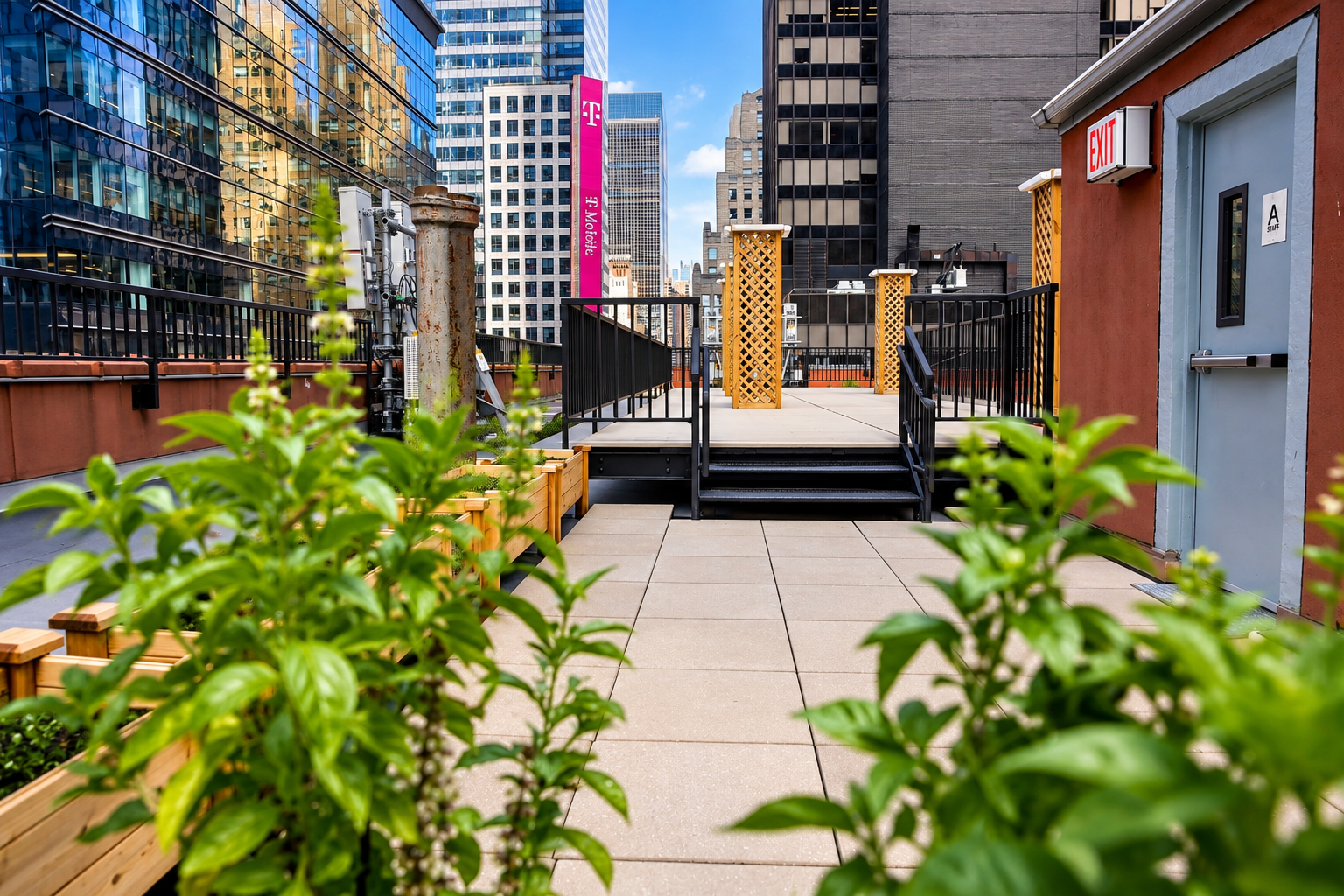
The building includes an Older Adult Center and Project FIND's Homeless In-Reach Program on the second floor, providing additional programs and services to residents and the community.